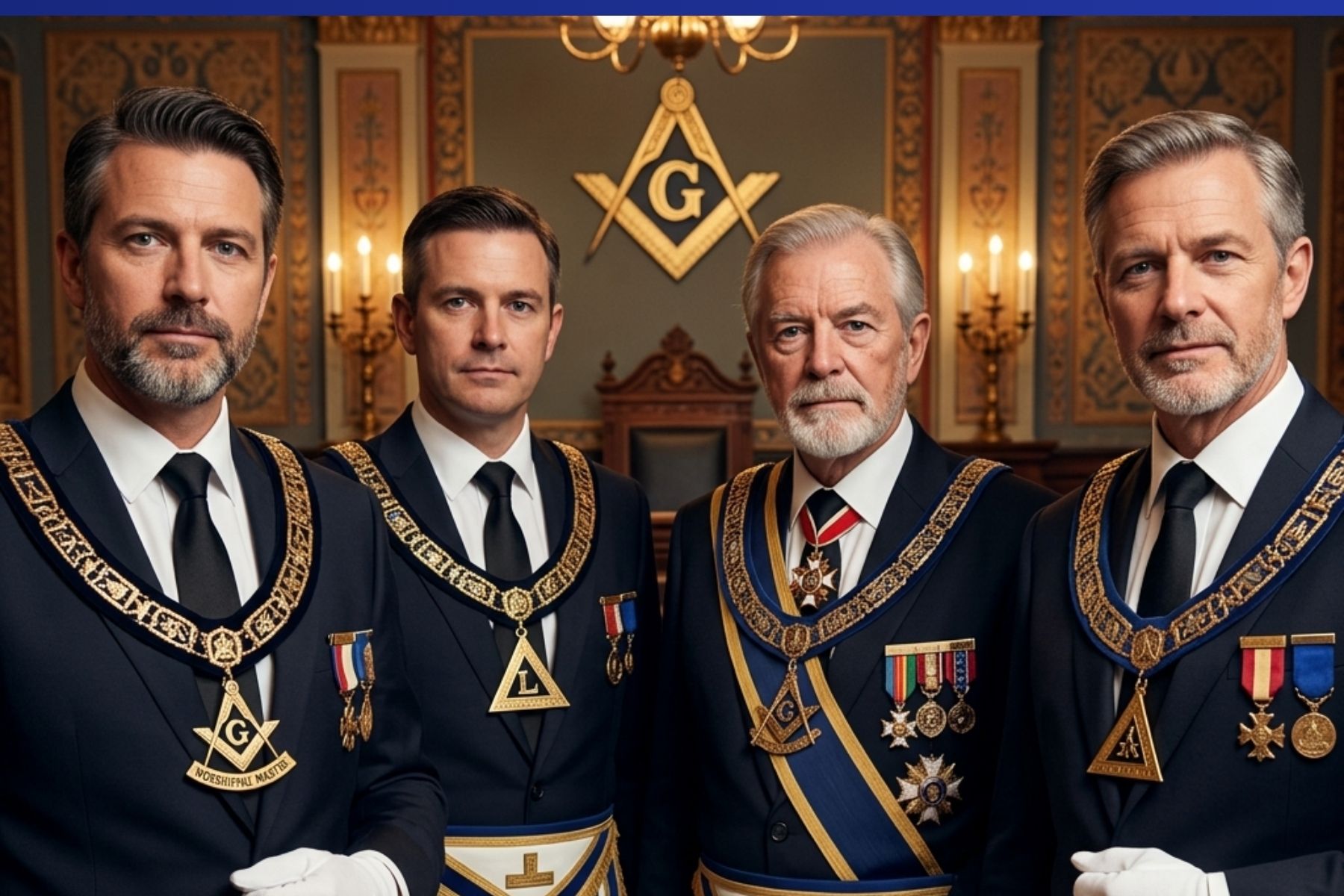
For those exploring the wider world of Freemasonry, the term Council Masonry may come up fairly early, yet it is often one of the less understood branches of the Masonic tradition. While many people are familiar with Blue Lodge Masonry and perhaps the York Rite or Scottish Rite in broader terms, Council Masonry occupies a more specialised place within the Masonic journey. It is rich in symbolism, historical meaning, and moral teaching.
This beginner’s guide offers a clear introduction to Council Masonry, often known as the Cryptic Rite, and explains how it fits within the wider Masonic framework.
Understanding Council Masonry
Council Masonry is a part of the York Rite system of Freemasonry. It generally follows the degrees of the Chapter and precedes the Commandery in the traditional York Rite progression. Its teachings are intended to deepen a Mason’s understanding of lessons introduced earlier in his journey.
The reason it is sometimes called the Cryptic Rite comes from the word “crypt,” which refers to a hidden or vaulted chamber. This image carries both symbolic and instructional significance within Council Masonry. Much of its teaching centres on preservation, hidden wisdom, faithfulness, and the safeguarding of truth.
Council Masonry builds upon what a Mason has already encountered in earlier degrees and fills in important symbolic and philosophical details. In this way, it is often seen as a bridge that adds continuity and greater understanding to the broader Masonic story.
Why It Matters
For many Masons, Council Masonry is meaningful because it brings deeper context to their Masonic education. Rather than presenting entirely separate ideas, it expands on themes of duty, trust, integrity, and spiritual reflection.
Its importance lies in the way it encourages members to think more carefully about:
- The value of faithfulness in times of uncertainty
- The responsibility of preserving what is good and true
- The role of patience and wisdom in leadership
- The importance of continuity in moral and spiritual traditions
Council Masonry is not only about ritual structure. It is also about personal development. It invites members to reflect on what it means to serve honourably, act with discretion, and remain grounded in principles that endure over time.
The Main Degrees of Council Masonry
While practices can vary somewhat by jurisdiction, Council Masonry traditionally includes several key degrees. Among the most recognised are:
Royal Master
The Royal Master degree focuses on themes of loyalty, timing, and the search for understanding. It encourages reflection on life, purpose, and the importance of preparing oneself through discipline and wisdom. Many consider this degree especially moving because of its contemplative nature.
Select Master
The Select Master degree places strong emphasis on secrecy, fidelity, and the preservation of sacred trust. It explores the idea of hidden work performed with devotion and care, often beneath the surface or outside public recognition. This degree highlights the honour found in faithful service, even when it is not immediately visible to others.
Super Excellent Master
In some jurisdictions, the Super Excellent Master degree is associated with Council Masonry or with related bodies in the York Rite. This degree places a strong focus on loyalty, perseverance, and the consequences of both faithfulness and neglect. It is often noted for its dramatic presentation and powerful moral lessons.
Together, these degrees form a coherent body of teaching that enriches a Mason’s understanding of commitment, leadership, and personal responsibility.
How Council Masonry Fits Within the York Rite
To understand Council Masonry more clearly, it helps to see where it belongs within the York Rite. A Mason who chooses to continue beyond the Blue Lodge may progress through several appendant bodies. Council Masonry is one of these.
In simple terms:
- Blue Lodge lays the foundation of Masonic teaching
- Chapter Masonry expands on important themes and symbolism
- Council Masonry adds deeper context and continuity
- Commandery moves into a chivalric and Christian-oriented framework in many jurisdictions
Council Masonry is often viewed as the part that fills in missing pieces. Many Masons appreciate it because it gives fuller meaning to teachings encountered earlier and prepares them for later developments within the York Rite.
Themes and Values in Council Masonry
Council Masonry is known for emphasising values that remain deeply relevant in any age. These include:
Fidelity
Members are encouraged to honour their obligations and remain steadfast in their commitments.
Prudence
There is strong emphasis on acting wisely, thoughtfully, and with due care.
Preservation
The symbolism of safeguarding sacred knowledge points to the importance of preserving truth, tradition, and principle.
Humility
Council Masonry reminds members that much meaningful work is carried out quietly, without public recognition.
Continuity
It reinforces the idea that moral and spiritual traditions are strengthened when they are protected and passed on responsibly.
These themes make Council Masonry especially appealing to those who seek more than ceremonial participation. It offers a framework for thoughtful reflection and practical moral insight.
Who Is Council Masonry For?
Council Masonry is for Master Masons who wish to continue their education within the York Rite and who are interested in a deeper study of Masonic symbolism and teaching. It is particularly meaningful for those who value:
- Historical continuity
- Symbolic richness
- Reflective learning
- Fellowship with others committed to personal growth
It is not simply an advanced form of participation for the sake of progression. Ideally, it is pursued by those who genuinely want to understand more and engage more fully with the principles of the craft.
Fellowship and Shared Learning
As with other Masonic bodies, fellowship is an important part of Council Masonry. Members come together not only to participate in degrees and meetings but also to support one another in shared values and mutual respect.
This fellowship strengthens the experience of Council Masonry. It creates an environment where learning is enriched by discussion, where tradition is passed along through example, and where members are encouraged to continue growing in character and service.
Final Thoughts
Council Masonry, or the Cryptic Rite, is a valuable and meaningful part of the Masonic tradition. For beginners, it can seem mysterious at first, but its purpose becomes clearer with study and reflection. It exists to deepen understanding, reinforce moral principles, and preserve important teachings within the broader journey of Freemasonry.
For those who wish to explore Masonry beyond its foundational levels, Council Masonry offers something distinctive: a thoughtful, symbol-rich path centred on fidelity, wisdom, and the quiet strength of preserving what matters most.Council Masonry, often referred to as the Cryptic Rite, is one of the important branches of the wider Masonic system, yet it is frequently less understood by those new to Freemasonry. It builds upon the lessons and symbolism introduced in earlier degrees, offering deeper insight into themes such as preservation, secrecy, wisdom, and continuity. For many members, it represents a meaningful continuation of their Masonic journey, adding further layers of moral and philosophical reflection.
At its core, the Cryptic Rite focuses on hidden knowledge and the idea that important truths are often preserved in unexpected ways. Through structured degrees and ritual teachings, members are encouraged to reflect on personal development, ethical conduct, and the importance of working together for the greater good. While the teachings are symbolic, they are designed to reinforce values such as integrity, patience, and responsibility.
Understanding Council Masonry can feel complex at first, but it becomes clearer as members progress through its degrees. Each stage builds upon the last, gradually revealing a broader picture of Masonic tradition and purpose. For beginners, the key is not to rush, but to appreciate the lessons and symbolism as they unfold.
Interestingly, the idea of building something meaningful over time can also be seen outside of Freemasonry. Just as Council Masonry is constructed through layers of learning, physical environments are built through careful planning and craftsmanship. For example, a well-formed Covington Concrete driveway represents durability and structure, created through precise work and long-term thinking—much like the values emphasized within the Cryptic Rite.
Ultimately, Council Masonry is about depth, reflection, and continuity. It encourages members to look beyond the surface and appreciate the hidden structure behind teachings that have been passed down for generations. For beginners, it offers a thoughtful path toward greater understanding, both of themselves and the traditions they are part of.
